
Sleep paralysis is a medically recognized sleep disorder that occurs during the transition between sleep and wakefulness. According to modern sleep science, it happens when the brain awakens before the body regains muscle control, leaving a person temporarily unable to move or speak. These episodes often involve intense fear, pressure on the chest, and vivid sensory experiences such as seeing, hearing, or sensing a presence. The condition is classified as a parasomnia and is closely linked to rapid eye movement sleep, a phase in which the body naturally suppresses muscle activity to prevent physical movement during dreams. When this process becomes mistimed, paralysis can occur while consciousness is restored.
A Global Experience Shaped by Culture and Belief
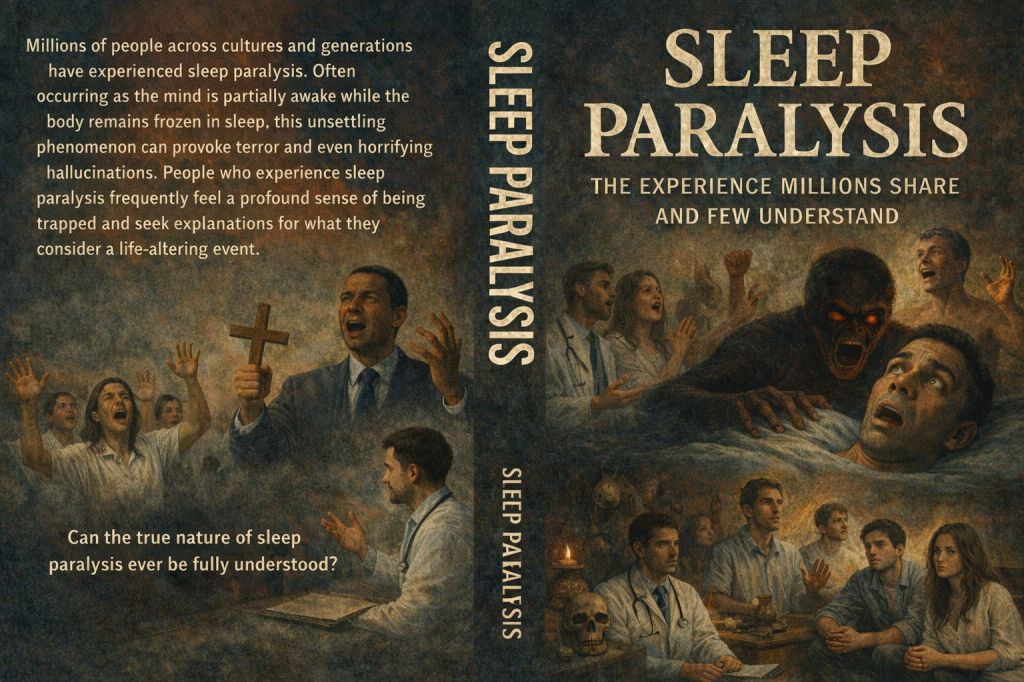
Sleep paralysis is a global phenomenon, but its interpretation differs widely across cultures and belief systems. In many parts of Africa, Asia, the Middle East, and sections of Europe, nonmedical explanations often dominate early understanding. People may attribute episodes to spiritual attacks, ancestral displeasure, demonic forces, or witchcraft. Religious traditions sometimes frame it as a moral or spiritual trial. These interpretations are often reinforced by family elders, faith leaders, and folklore rather than clinicians. As a result, sleep paralysis is frequently treated as a private or shameful experience, pushing sufferers into silence and delaying medical or psychological support.
The Role of Nonmedical Sources in Shaping Perception
In societies where access to sleep medicine is limited or where cultural authority outweighs clinical authority, nonmedical sources play a decisive role. Oral traditions, religious teachings, social media narratives, and online forums often become the first place people turn for explanations. While these sources may provide emotional validation, they can also deepen fear and misunderstanding. The framing of sleep paralysis as a supernatural or moral threat often leads sufferers to hide their condition, avoid sleep, or pursue remedies that do not address the underlying sleep disruption. This reliance on nonmedical explanations helps explain why sleep paralysis remains widely misunderstood despite decades of scientific research.

The Two Major Forms of Sleep Paralysis
Sleep paralysis generally appears in two main forms. The first is hypnagogic sleep paralysis, which occurs as a person is falling asleep. The second is hypnopompic sleep paralysis, which happens upon waking. Both forms involve the same core feature: awareness without the ability to move. However, waking episodes tend to be more distressing because the surrounding environment appears real and familiar. In both cases, hallucinations may occur because the brain is still partly in a dream state. These experiences are neurological, not supernatural, and result from a temporary mismatch between brain activity and muscle control.

Common Myths and Persistent Misconceptions
Several myths continue to confuse the public. Sleep paralysis is not a form of psychosis, epilepsy, or possession. It is not caused by moral failure, spiritual weakness, or hidden mental illness. While stress, irregular sleep schedules, trauma, and sleep deprivation can increase risk, the condition itself is not a sign of permanent damage. Another common error is the belief that sleep paralysis is rare. Research suggests that a significant portion of the global population will experience at least one episode in their lifetime, making it far more common than most people realize.
Where the World Stands and Why It Matters
Despite its prevalence, sleep paralysis remains largely absent from public health discussions, medical education, and policy priorities. In many countries, it is overshadowed by broader mental health and neurological conditions. This gap persists because sleep paralysis rarely causes physical injury, even though its psychological impact can be severe. The lack of coordinated global awareness allows fear-based interpretations to persist,
especially in regions where medical explanations are not widely accessible. Until sleep paralysis is addressed openly as a legitimate and common sleep disorder, millions of people worldwide will continue to experience it in isolation, confusion, and unnecessary fear.

Your experience matters. Join the global effort to understand sleep paralysis and push research forward. sleep-paralysis.org
 Sleep Health
Leave a comment